
Ever held a credit-card-sized gadget and wondered if it could actually keep your crypto safer than a drawer full of seed phrases? Whoa! The thought flits through my head every time I pick up a tiny piece of hardware. It’s simple at first glance. But then the details start piling up and the choices get messy, fast—so fast you can almost trip over them. My instinct said: somethin’ needs to be more intuitive here, and honestly that feels like the main selling point for smart-card wallets.
Quick confession: I’m biased, but I’m also picky about user experience. Really? Yes. I have a soft spot for designs that make secure behavior the easy behavior. On one hand, big metal cold-storage devices look impressive and make for great shelf pride. On the other hand, a slim smart card fits a lifestyle—pocket, wallet, or phone case—without drawing attention, which actually reduces risk in everyday scenarios. Initially I thought size was just about convenience, but then realized the psychological effect of portability often influences security choices more than we admit.
Okay, so check this out—smart-card hardware wallets bridge two worlds. Hmm… They pack real cryptographic muscle into a contactless card that behaves like a hardware wallet, not merely a gimmick. Short sentence. A longer thought here: these cards store private keys in a secure element that resists extraction and tampering, they often use NFC or Bluetooth for airgapped signing, and they can integrate with mobile apps to provide a surprisingly slick multi-currency experience for users who don’t want command-line tools or cumbersome backup rituals. Here’s what bugs me about many solutions: recovery flows are still too obtuse for mainstream users, and very very few balance security with daily ergonomics well enough to matter to non-geek users.
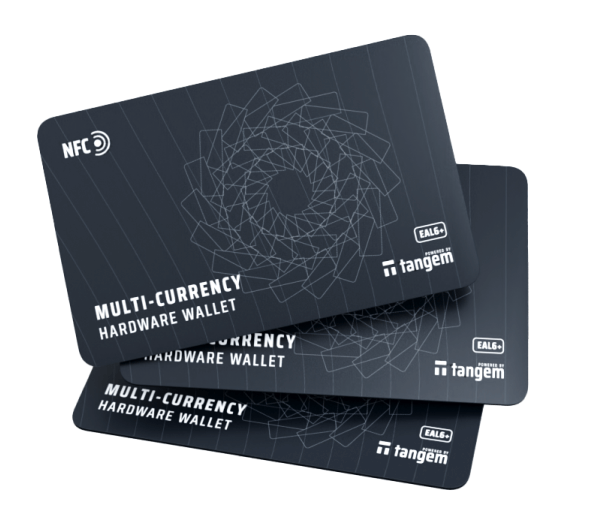
What a smart-card hardware wallet actually buys you
Short sentence. Layered security matters. Most serious losses come from carelessness around seed phrases or from phishing attacks. Seriously? Yup. When private keys live inside a tamper-resistant chip and never leave it, typical remote attack vectors shrink dramatically. Longer thought: although no device is perfectly invulnerable, a properly implemented smart-card wallet reduces your attack surface by isolating signing operations and by making it harder for malware on your phone or desktop to exfiltrate keys, because those keys simply aren’t exposed to the host device.
Here’s a thing about multi-currency support: it’s both a blessing and a headache. Wow! Developers try to catch every chain and token, which is great if you manage diverse holdings, though actually it increases complexity for UX and increases the potential for subtle bugs when bridging protocols. My working rule is that practical multi-currency support should prioritize reliable signing for mainstream chains first, then add less common chains with clear warnings and a user-informed opt-in approach. Something felt off about many wallets that advertise “300+ coins” without clarifying quality of support.
Real use cases and where smart-card wallets shine
Think commuters. Short sentence. People who move between coffee shops, airports, and coworking spaces want security without the glass house of attention that heavy hardware can attract. Initially I thought only privacy nuts would prefer low-profile devices, but then I saw normal folks carry a smart card tucked into a wallet and never blink. There’s a practical side to stealth. Longer thought: having your keys in a contactless card reduces the chance that you’ll leave an expensive metal device on a cafe table, while still letting you sign transactions on the go using a phone that acts purely as a display and transport layer—this separation changes the risk model in very real ways.
Also consider institutional use where physical custody remains important. Hmm… Institutions like solutions that are auditable and manageable at scale, and smart cards can be integrated into systems that require multi-signature approvals with hardware-based identity checks. I’m not 100% sure every institution will prefer this model, but for certain workflows it’s a neat fit (oh, and by the way… some banks already experiment with card-form secure elements for non-crypto keys).
Practical trade-offs you should know
Short. The trade-offs exist. A smart-card wallet is less convenient for power users who run full-node integrations or want advanced scriptable signing flows. On the other hand, that simplicity protects the majority of users who would otherwise mismanage seed phrases. Here’s the thing: no single device is perfect for both extremes. Longer thought: you need to match your threat model to the device; if you are defending against motivated physical attackers, card form factors might need to be paired with additional controls like PINs, tamper evidence, and secure storage practices at home or in a safety deposit box.
Something else that matters: backup. Really? Backup is the UX Achilles’ heel. Many people skip backups until they have to rely on them. A neat aspect of some smart-card wallets is that they support options like multi-card backups or encrypted cloud backups that still require hardware-based proving to recover—trade-offs that tilt convenience toward recoverability without handing keys to third parties. Personally, I prefer approaches that force a user-friendly but secure recovery path rather than leaving recovery as a cryptic tech exercise.
My hands-on experience and instincts
I’ll be honest: at first I was skeptical. Whoa! Then I tried a few cards in the wild and my perspective shifted. The tactile feel matters—card thickness, NFC responsiveness, and the quality of companion apps all shape whether users will adopt secure practices. On one trial, the app flow made signing a payment as easy as tapping a card and scanning a QR; it felt simple and low-friction, which matters for real-world adoption. Actually, wait—let me rephrase that: it wasn’t perfect, but the reduction in mental load compared to memorizing or securely storing seed phrases was significant.
I’m biased toward solutions that don’t force users into high-risk workarounds. There’s a charm to a slim card you can hand to a family member for safekeeping, especially when that card is part of a multi-card backup scheme. Longer thought: when you design for human behavior rather than idealized power users, you start solving the core problem—people choose the path of least resistance, so you must make the secure path the easiest one or you won’t solve ubiquitous custody at scale.
Where to look next (and one practical recommendation)
Short sentence. If you’re curious, research vendors that publish security audits and offer a clear recovery story. Don’t just chase specs or coin counts. Check community reviews and independent audits. For a hands-on start, I found that some solutions balance form factor and security particularly well—you can read about a popular option that treats the card as a true hardware wallet at tangem wallet. This one link is worth a look if you want to see the approach I’m describing, though do your own homework and cross-check recent firmware and audit reports.
FAQ
Is a smart-card wallet secure enough for large holdings?
Short answer: often yes, if implemented correctly. Long answer: security depends on the secure element, firmware practices, and the recovery mechanisms. If you plan to store very large sums, combine device security with prudent physical custody strategies, diversification, and legal protections—don’t rely on a single point of failure.
How do I back up a card wallet?
Many vendors support multisig, multi-card backups, or a split-seed approach. Some offer encrypted backups that still require hardware validation to restore. My recommendation: use a method that doesn’t expose your raw seed to plain text storage and that involves at least one geographically separate backup (and tell a trusted person where it is, or set up legal instructions).
Will smart-card wallets keep up with new chains?
Support for new chains depends on firmware updates and third-party integrations. Expect mainstream chains to be prioritized. If you trade niche tokens frequently, verify support before committing substantial funds to a single-device strategy.
So yeah—I’m excited by the promise here, though cautious. Short sentence. Smart-card hardware wallets feel like a pragmatic bridge between cold-storage security and everyday usability. On the flip side, vendors must keep transparency and recovery clarity front and center or adoption will stall. In my neck of the woods, people want simple solutions that don’t ask them to become security experts. That human truth matters more than the flashiest spec sheet. I’m not wrapping this up perfectly—there are open questions and trade-offs—but if you’re trying to make custody less scary for yourself or others, a smart-card wallet is worth a close look and a test drive.