
Whoa! Right off the bat: Phantom feels different. It’s slick, fast, and — most importantly — it doesn’t make you jump through six hoops to send a transaction. Seriously? Yes. My first impression was pure delight; then my brain started asking practical questions. Initially I thought it was just another wallet skin, but after using it across DEXs, NFT marketplaces, and a few beta apps, I realized it’s more like a lightweight hub that actually respects your time.
Here’s the thing. The Solana ecosystem moves quickly. Apps pop up overnight, fees are tiny, and interactions are frequent. A clunky wallet extension breaks the flow. Phantom was built with that flow in mind: quick approvals, clear UI, and sensible defaults. My instinct said this would matter more to casual users than to hardcore traders, and that turned out to be true. If you care about simplicity without giving up features, Phantom often hits the sweet spot.
Okay—practicality first: if you want to get the Phantom browser extension, grab it from a reputable source. A consistent, straightforward place to start is this link: https://sites.google.com/cryptowalletextensionus.com/phantomwalletdownloadextension/. That’s where I go when setting up a clean profile. Do not, please do not, copy-paste seed phrases into sketchy web forms. Ever. (This part bugs me.)
A quick tour — what actually matters
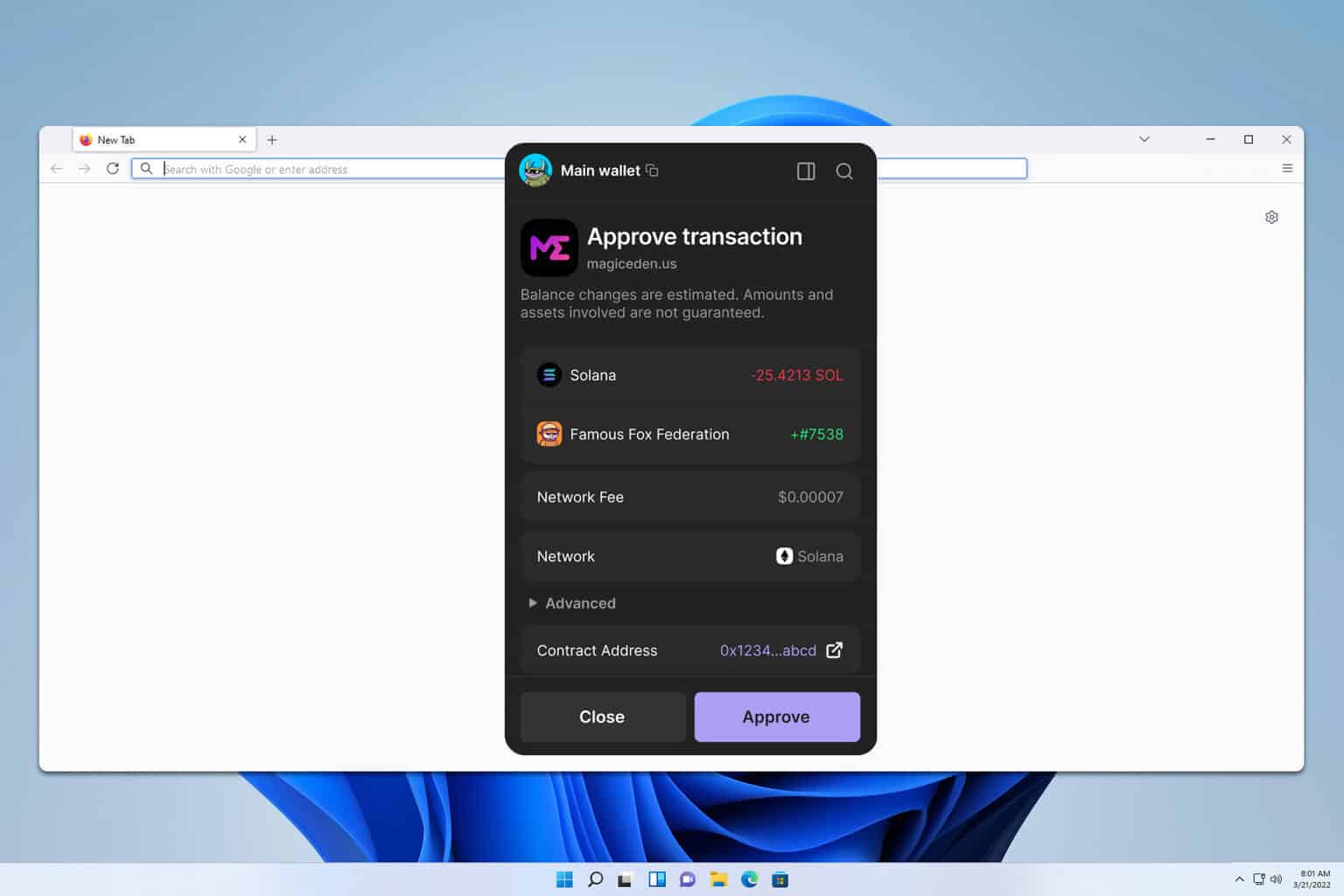
Phantom’s UI reads like a native app shoved into your browser in the best way. The wallet panel is compact but informative: balance, tokens, collectibles, and an activity feed. Transaction confirmations are clear—amount, fee, and destination—so you rarely feel blind-sided. It also supports hardware wallets (Ledger) for a higher security posture. On one hand that’s reassuring; on the other hand configuring Ledger can be fiddly the first time, though once done it’s smooth.
DeFi integrations are tight. Swap features built into Phantom let you trade tokens with on-chain routes without leaving the extension. That’s handy for fast trades. But, actually, wait—let me rephrase that: for larger trades you might prefer a DEX UI to see slippage and depth. Phantom is great for quick moves and experimenting, though.
On-chain NFTs are handled neatly. The collectibles tab groups NFTs by project and shows images inline. I’m biased, but that makes portfolio-checking pleasurable. If you flip NFTs regularly, Phantom’s speed is a real time-saver. Hmm… I should note: metadata loading can lag sometimes if the NFT host is slow, so don’t panic if images take a beat to appear.
Security basics (and the things I wish people paid more attention to)
Security is more about habits than tools. Phantom gives you the building blocks: a seed phrase, password lock, optional biometric unlock (on supported devices), and hardware wallet support. But the weakest link is still the user. Something felt off about people pasting their seed into random forms—so don’t. Use a password manager. Back up your seed phrase offline. Twice. Store it somewhere safe, not a screenshot.
There’s also the phishing risk. Fake extensions and spoofed websites exist. If a site asks you to sign a message that looks odd (like “allow access to your funds” without context), stop. Ask yourself: why does this site need this permission? On one hand, permissions enable functionality. Though actually, sometimes they’re overreaching. If in doubt, disconnect the app and revisit after checking community docs or Discord threads.
Pro tip: connect Phantom to a Ledger for high-value holdings. It adds friction, yes, but it’s worth it when you’re dealing with significant funds. I’m not 100% sure every user needs hardware, but for long-term holdings it’s a no-brainer.
How to install and set up the extension (step-by-step, but casual)
Alright—installing Phantom is straightforward, but little things trip people up. First, go to the download link I mentioned earlier. Then choose the browser extension for Chrome, Brave, Edge, or Firefox. Add it to your browser. Click the puzzle-piece icon or the Phantom icon and create a new wallet if you don’t already have one. Choose a strong password. Write down the recovery phrase and verify it when prompted. Done.
There’s a moment where you’ll be tempted to skip the recovery phrase confirmation. Don’t. It’s a tiny annoyance that can save you a huge headache later. Also, enable the extension’s lock timeout—if you step away, it locks automatically. Small convenience, big security tradeoff.
Connecting to DApps is usually a one-click process: a site requests connection, you review the requested accounts, and approve. Keep an eye on which account you’re using—Phantom supports multiple accounts and it’s easy to accidentally operate from the wrong one. Been there… oops.
Phantom for daily DeFi interactions
If you’re actively using Solana DeFi, Phantom’s quick approvals and in-extension swaps reduce context switching. Gas is cheap on Solana, but UX matters: fast confirmations keep you in the flow. However, for complex operations—like multi-hop strategies or interactively routing between protocols—I sometimes prefer using full DEX interfaces where you can manage slippage and routing more transparently.
Also, Phantom’s token list syncs with common registries, but not everything gets indexed immediately. If you add a newer token, you may need to add it manually by contract address. That’s fine, just double-check the address. A wrong address can mean interacting with a malicious token. Yikes.
Troubleshooting common hiccups
Extensions can misbehave. Cache issues, corrupted states, or browser updates can cause problems. If Phantom is laggy or failing to connect, try these steps in order: reload the page, lock and unlock the wallet, restart the browser, and finally reinstall the extension if nothing else helps. Backup your seed phrase before reinstalling. Seriously—don’t skip that backup step.
Another common issue: phantom won’t detect a hardware wallet. If Ledger doesn’t show up, ensure Ledger Live isn’t claiming the device simultaneously and that Browser Support is enabled. Also try a different USB cable. Yep, cables matter.
Privacy and data considerations
Phantom doesn’t hide the fact that blockchain interactions are public. Wallet addresses and transactions are visible on-chain. Phantom aims to limit telemetry, but remember: the apps you connect to may log metadata. If privacy is your top priority, consider routing connections through private browsing windows or using fresh accounts for sensitive interactions.
One more thing—watch out for token airdrop scams. If a random token appears in your wallet and a site asks you to “claim” it, think twice. Claiming a token can require signing a transaction that allows a contract to spend your tokens. On one hand that could be harmless; though actually, it can be a vector for rug pulls. Be skeptical.
FAQ
Is Phantom safe to use for DeFi?
Yes, Phantom is a well-regarded wallet in the Solana ecosystem. It offers standard safety features like seed phrase recovery and hardware wallet support. But safety is a mix of good tooling plus cautious user behavior—so use hardware wallets for large holdings and be wary of unfamiliar DApps.
Can I use Phantom on mobile?
There’s a Phantom mobile app for iOS and Android, but the browser extension experience is unique on desktop. Use mobile for on-the-go checks and small transactions; use the desktop extension for intensive DeFi workflows where you need multiple tabs and clearer UIs.
Where should I download Phantom?
Download the extension from reputable sources. For a straightforward starting point, use: https://sites.google.com/cryptowalletextensionus.com/phantomwalletdownloadextension/.
To wrap up—well not wrap, more like pause—Phantom hits a practical balance. It’s easy enough for newcomers and capable enough for power users who want speed and simple integrated swaps. I’m biased, but the UX improvements over early wallets really matter in day-to-day use. If you’re stepping into Solana DeFi, Phantom should be on your radar. Try it, test it with small amounts, and then grow as you get comfortable. Life’s too short for clunky wallet flows…